E-mail : inquiry@ronsteel.comPhone : +8615308477503

Stay updated with the latest company news, industry insights, and market trends in the metal material sector.

When piping failure poses catastrophic safety and financial risks, nickel alloy pipes become the primary specification.
Because nickel alloy pipes are manufactured in dozens of distinct grades, choosing the right material requires understanding the unique metallurgy and intended application of each family. This guide breaks down the most common nickel alloy pipe grades, their key properties, and their primary industrial uses.
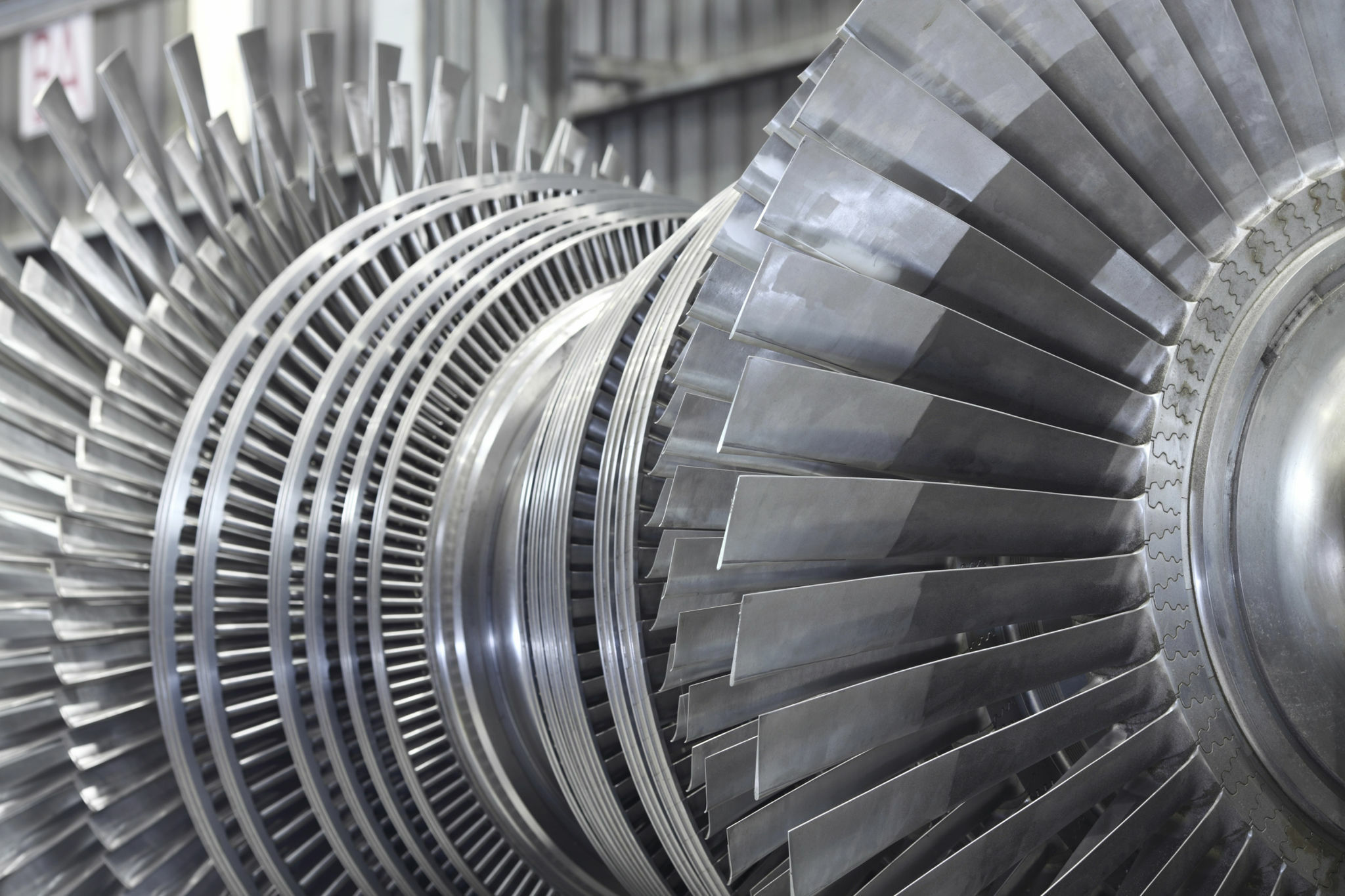
Inconel alloys are nickel-chromium-based superalloys engineered to maintain high mechanical strength and exceptional oxidation resistance at extreme temperatures.
Key Properties: Excellent resistance to high-temperature oxidation, carburization, and chloride-induced stress corrosion cracking.
Common Applications: Heat exchanger tubing, chemical processing furnace piping, nuclear reactor steam generator tubing, and nitriding equipment.
Key Properties: Alloyed with Molybdenum and Niobium for solid-solution strengthening. It delivers massive tensile and creep-rupture strength from cryogenic temperatures up to 980°C, alongside immunity to pitting and crevice corrosion.
Common Applications: Deep-sea subsea risers, offshore oil and gas production lines, marine exhaust stack piping, and aerospace propulsion systems.
Hastelloy grades are nickel-chromium-molybdenum alloys specifically formulated to resist the most aggressive reducing and oxidizing acids used in industrial chemical synthesis.
Key Properties: Widely considered the most versatile corrosion-resistant alloy in existence. The high molybdenum (16%) and chromium (16%) content, combined with tungsten, provides outstanding resistance to pitting, crevice corrosion, and reducing acids like hydrochloric, sulfuric, and phosphoric acids.
Common Applications: Flue-gas desulfurization (FGD) scrubbers, chemical synthesis reactor piping, sour gas ($H_2S$) recovery lines, and pulp and paper bleach plant piping.
Key Properties: High-nickel, high-molybdenum alloys specifically designed to handle pure hydrochloric acid at all concentrations and temperatures up to the boiling point.
Common Applications: Chemical plant piping handling pure hydrochloric, aluminum chloride, and catalyst-rich organic acid streams.
Monel alloys are nickel-copper-based materials known for their high strength and exceptional performance in seawater and reducing chemical environments.
Key Properties: Composed of roughly 67% Nickel and 30% Copper. It exhibits exceptional resistance to rapidly flowing seawater, neutral and alkaline salt solutions, and hydrofluoric acid ($HF$).
Common Applications: Marine boiler feedwater piping, offshore splash-zone piping, seawater desalination plant heat exchangers, and hydrofluoric acid alkylation piping in oil refineries.
Incoloy alloys are nickel-iron-chromium materials. They offer a cost-effective bridge between stainless steel and high-cost nickel superalloys, balancing oxidation resistance with structural load-bearing capacity.
Key Properties: Controlled carbon, aluminum, and titanium contents give these alloys superior long-term creep-rupture strength above 600°C. They resist carburization, nitridation, and industrial furnace atmospheres.
Common Applications: Ethylene dichloride cracker tubes, reformer piping in ammonia synthesis, power plant superheater piping, and industrial heat treatment furnace rollers.
| Alloy Family | Representative Grade | Main Alloy Elements | Primary Environmental Defense |
| Inconel | Inconel 625 | Ni-Cr-Mo-Nb | Ultra-high temperature, creep, & deep-sea corrosion |
| Hastelloy | Hastelloy C-276 | Ni-Cr-Mo-W | Severe reducing/oxidizing acids, pitting, & wet chlorine |
| Monel | Monel 400 | Ni-Cu | Flowing seawater, brine, & hydrofluoric acid ($HF$) |
| Incoloy | Incoloy 800H | Ni-Fe-Cr | High-temperature structural creep & carburization |
When procuring nickel alloy piping, engineering specifications will generally dictate the manufacturing process:
Seamless Nickel Alloy Pipes: Manufactured via extrusion or rotary piercing with no longitudinal weld seam. Recommended for ultra-high-pressure applications, high-temperature thermal cycling, and deep-sea subsea critical lines where weld joint defects cannot be risked.
Welded Nickel Alloy Pipes: Formed from cold-rolled sheet/plate and longitudinally welded. Highly cost-effective for large-diameter piping in chemical processing plants, low-pressure flue-gas scrubbing systems, and general industrial drainage lines.
To ensure long-term integrity and optimize procurement costs in nickel alloy pipe selection:
Use Inconel for extreme heat combined with high mechanical pressure or marine thermal stress.
Specify Hastelloy when transporting strong, reducing acids, chlorine compounds, or mixed chemical waste streams.
Deploy Monel for marine, brine, and hydrofluoric acid environments.
Select Incoloy for high-temperature petrochemical processing where cost-effective creep resistance is required.