E-mail : inquiry@ronsteel.comPhone : +8615308477503

News Center

Stay updated with the latest company news, industry insights, and market trends in the metal material sector.

inconel vs incoloy vs hastelloy, nickel superalloys comparison, Inconel 625 vs Hastelloy C276, Incoloy 800H applications, high temperature alloy selection
BackYou are in :  Home  >  News  >  Pipe knowledge

Inconel vs Incoloy vs Hastelloy: Key Differences and How to Choose the Right Alloy

Date:2026-08-04View:8Tags:inconel vs incoloy vs hastelloy, nickel superalloys comparison, Inconel 625 vs Hastelloy C276, Incoloy 800H applications, high temperature alloy selection

When high-performance engineering projects demand materials that go beyond standard stainless steel, nickel-based superalloys become essential. Among these, three trademarked alloy families dominate high-temperature, high-pressure, and severely corrosive applications: Inconel, Incoloy, and Hastelloy.

While all three belong to the nickel superalloy category, each family features a unique chemical recipe engineered for specific operating conditions. Choosing the wrong alloy can lead to premature material failure or unnecessary procurement costs.

This guide provides a detailed technical comparison of their performance, chemical makeup, and industrial applications to help you select the exact alloy for your project.


1. Core Chemical Differences: The Metallurgical Base

The primary distinction between Inconel, Incoloy, and Hastelloy lies in their foundational chemistry—specifically the proportions of Nickel (Ni), Iron (Fe), Chromium (Cr), and Molybdenum (Mo).
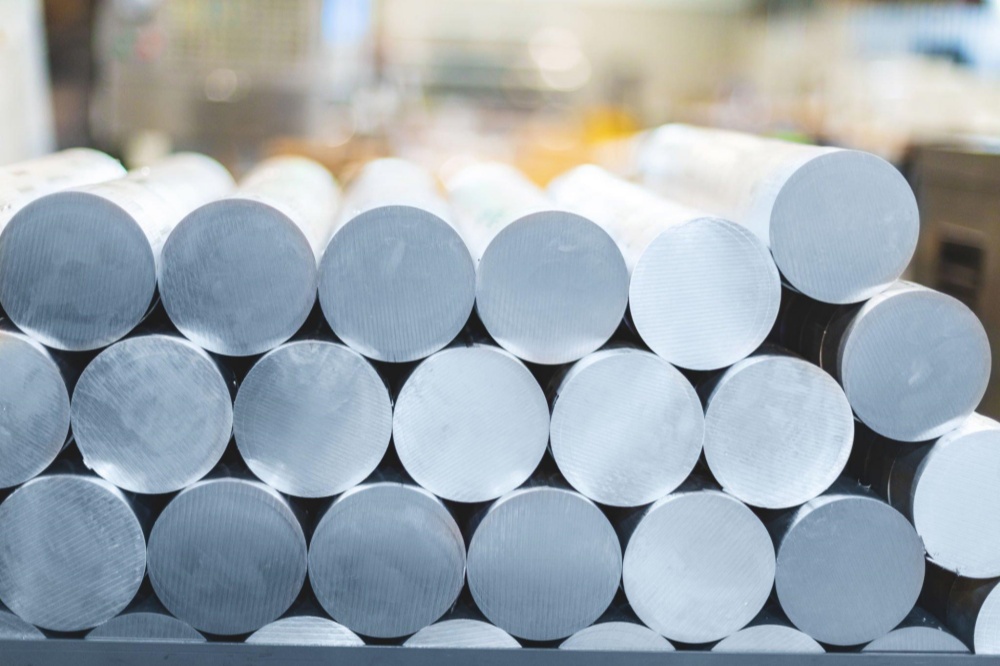
  • Inconel (Nickel-Chromium Base): Features a high nickel concentration (typically over 50%). It is fortified with chromium and elements like niobium or titanium for extreme heat resistance and oxidation protection.
  • Incoloy (Nickel-Iron-Chromium Base): Contains a balanced mix of nickel and iron (nickel content is usually under 50%). By substituting a portion of nickel with iron, Incoloy provides cost-effective high-temperature strength.
  • Hastelloy (Nickel-Chromium-Molybdenum Base): Formulated with significant additions of molybdenum and tungsten. This combination makes Hastelloy exceptionally resistant to severe chemical corrosion and aggressive reducing acids.


2. Key Performance Attributes & Primary Defenses

Each alloy family excels in a specific operating environment based on its metallurgical structure:

Alloy Family Primary Chemistry Key Environmental Strength Max Operating Temp Range
Inconel (e.g., 600, 625, 718) High Ni + Cr (+ Nb/Mo) Extreme thermal strength, creep resistance, & high-temp oxidation Up to 1000°C – 1150°C+
Incoloy (e.g., 800, 800H, 825) Ni + Fe + Cr (+ Cu/Mo) Cost-effective thermal creep & resistance to carburization/sulfidation Up to 800°C – 1100°C
Hastelloy (e.g., C-276, C-22, B-3) High Ni + Cr + Mo (+ W) Unmatched resistance to strong reducing acids, pitting, & wet chlorine gas Primarily ambient to 650°C (corrosion-focused)

Inconel: The High-Temperature Structural Shield

Inconel alloys retain high mechanical tensile strength and creep resistance at temperatures where iron-based metals soften. Upon heating, Inconel forms a stable, self-healing chromium-oxide scale that shields the underlying metal from severe oxidation and thermal shock.

Incoloy: The Balanced Petrochemical Workhorse

Incoloy provides robust high-temperature oxidation and carburization resistance at a lower price point than Inconel. Grades like Incoloy 825 also feature added copper and molybdenum, giving them strong resistance to sulfuric and phosphoric acids alongside high-temperature durability.

Hastelloy: The Acid Processing Champion

Hastelloy is engineered to tackle severe liquid and gas chemical corrosion. The high molybdenum content provides protection against pitting, crevice corrosion, and stress corrosion cracking (SCC) in environments containing hydrochloric acid, sulfuric acid, and chloride ions.


3. Typical Industrial Applications

When to Specify Inconel:

  • Aerospace & Propulsion: Jet engine turbine blades, combustion liners, rocket motor nozzles, and thrust reversers (Inconel 718 / 625).
  • Marine & Subsea: Subsea wellheads, marine valve shafts, and offshore risers operating under high mechanical stress.
  • Nuclear Engineering: Core components and steam generator tubing in light-water reactors (Inconel 600).


When to Specify Incoloy:

  • Petrochemical Processing: Ethylene dichloride cracker tubes, steam reformer furnace piping, and hydrocracker systems (Incoloy 800H/800HT).
  • Power Generation: Superheater and reheater tubing in conventional and biomass power plants.
  • Chemical Handling: Phosphoric acid evaporators and marine chemical tanker piping (Incoloy 825).


When to Specify Hastelloy:

  • Chemical Synthesis: Reactors, heat exchangers, and distillation columns handling hot hydrochloric or sulfuric acids (Hastelloy C-276 / C-22).
  • Pollution Control: Flue-gas desulfurization (FGD) scrubbers, duct liners, and stack dampers handling corrosive gas.
  • Sour Gas Recovery: Downhole piping and valves in sour oil and gas wells with high hydrogen sulfide ($H_2S$) concentrations.


4. Selection Guide: Summary Rule of Thumb

To streamline your procurement decision, evaluate your primary system hazard using these guidelines:

  1. If the primary challenge is extreme heat (600°C–1100°C+) combined with high pressure or structural stress: Choose Inconel for maximum creep strength and oxidation defense.
  2. If the primary challenge is high-temperature thermal cycling on a strict budget: Choose Incoloy for balanced thermal performance and lower material costs.
  3. If the primary challenge is severe chemical corrosion, aggressive acids, or pitting from chlorides: Choose Hastelloy for long-term corrosion resistance.
Procurement Tip: Always verify operating gas compositions and pressure parameters with your engineering team. Subtle presence of sulfur or reducing acids can significantly impact alloy performance.
close