E-mail : inquiry@ronsteel.comPhone : +8615308477503

Stay updated with the latest company news, industry insights, and market trends in the metal material sector.

In the aerospace and aviation industries, materials are pushed to their physical limits. Jet engines, rocket propulsion systems, and high-speed airframes operate under severe conditions—combining extreme mechanical stress, rapid thermal shock, and high-temperature oxidation. To maintain structural integrity under these harsh conditions, aerospace engineers rely heavily on Inconel 718 (UNS N07718).
Inconel 718 is a precipitation-hardenable nickel-chromium-iron superalloy that accounts for more than 30% of the total weight of modern aircraft gas turbine engines. Its balance of high yield strength, excellent creep-rupture performance, and superior weldability makes it one of the most successful and widely used superalloys in aerospace history.
This article provides an in-depth look at the major applications, key metallurgical advantages, and engineering properties that make Inconel 718 an essential material for the aerospace sector.
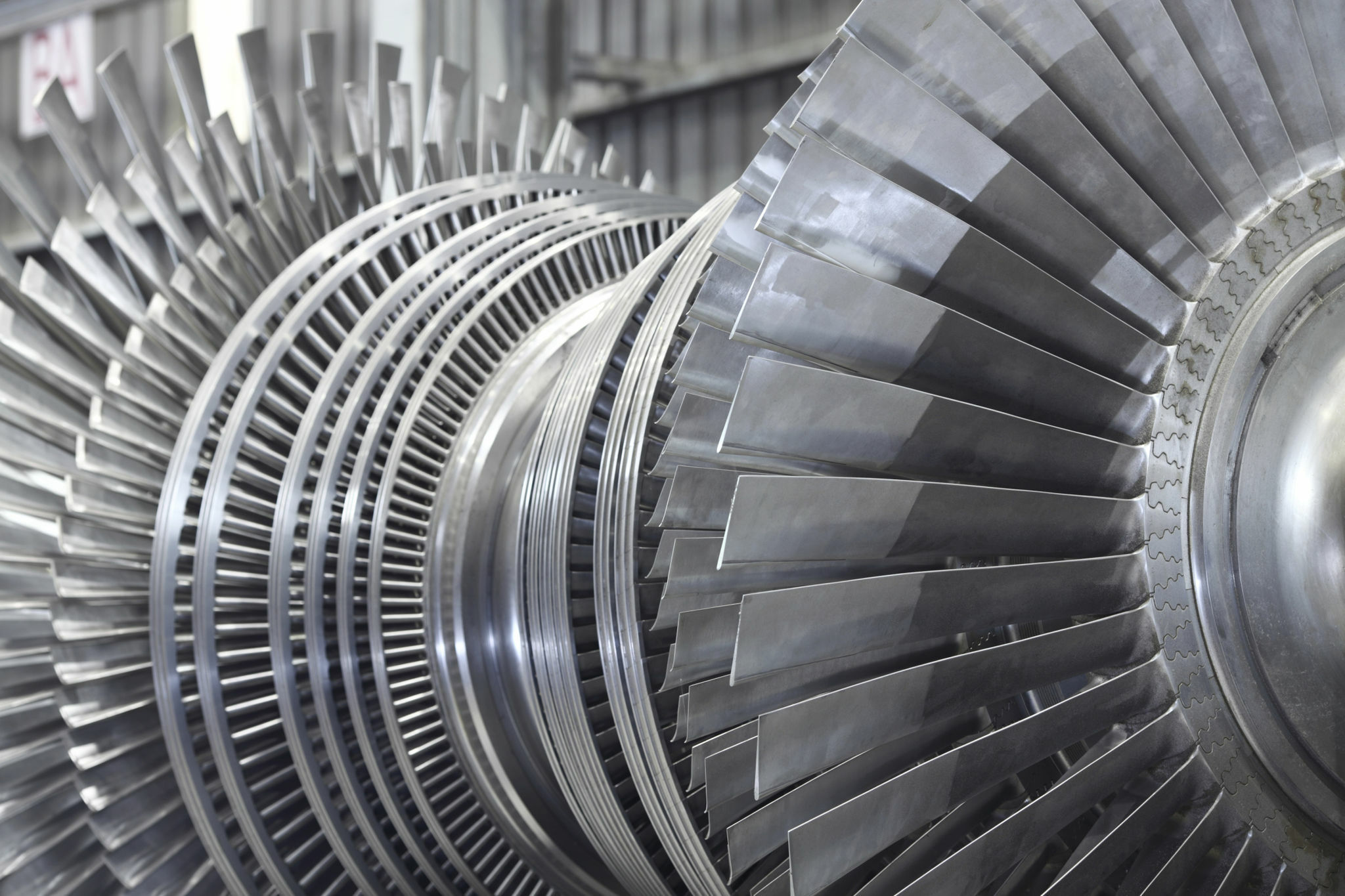
The outstanding mechanical performance of Inconel 718 stems from its unique precipitation-hardening mechanism. Unlike older nickel superalloys that rely solely on solid-solution strengthening or aluminum-titanium gamma-prime (γ') hardening, Inconel 718 incorporates controlled additions of Niobium (Nb) and Molybdenum (Mo) alongside Chromium and Iron.
Key metallurgical highlights include:
2. Key Mechanical Advantages for Aerospace Systems
When selecting materials for flight-critical aerospace components, Inconel 718 offers a combination of performance traits that standard alloys cannot match:
| Performance Metric | Inconel 718 Property | Aerospace Operational Impact |
|---|---|---|
| Tensile & Yield Strength | Yield strength > 1100 MPa (160 ksi) at room temperature | Allows thinner wall sections and lighter structural design without sacrificing load capacity. |
| Creep-Rupture Life | High resistance to stress relaxation up to 650°C | Prevents permanent blade elongation and structural deformation during long flight hours. |
| Fatigue Resistance | Exceptional high-cycle (HCF) & low-cycle fatigue (LCF) strength | Withstands high-frequency engine vibrations and repeated thrust-cycling loads. |
| Weldability & Repairability | Resists strain-age cracking during welding and heat treatment | Enables complex fabricated assemblies, electron-beam welding, and field repair. |
Inconel 718 is used extensively in aircraft gas turbines, rocket engines, and space exploration vehicles where high strength and thermal stability are required:
In recent years, Inconel 718 has become one of the most widely adopted superalloys for **Laser Powder Bed Fusion (LPBF)** metal 3D printing. Aerospace manufacturers use 3D-printed Inconel 718 to produce complex, lightweight fuel nozzles, internal cooling channels, and integrated manifold assemblies that cannot be machined using conventional methods.
Inconel 718 remains a cornerstone of aerospace metallurgy because it solves the fundamental trade-off between extreme mechanical strength and good fabricability. Its ability to endure continuous high-temperature stress, resist fatigue, and undergo complex welding makes it indispensable for commercial aviation, defense systems, and commercial space exploration.
Engineering Tip: When heat treating Inconel 718 for aerospace applications, ensure strict adherence to AMS specifications (such as AMS 5662 / AMS 5663) to achieve the optimal distribution of $\gamma''$ precipitates for maximum creep and tensile performance.


